A New Dimension to
Eyes Examination before
Refractive Surgery Genetic Test

Refractive Surgery

Genetic Test

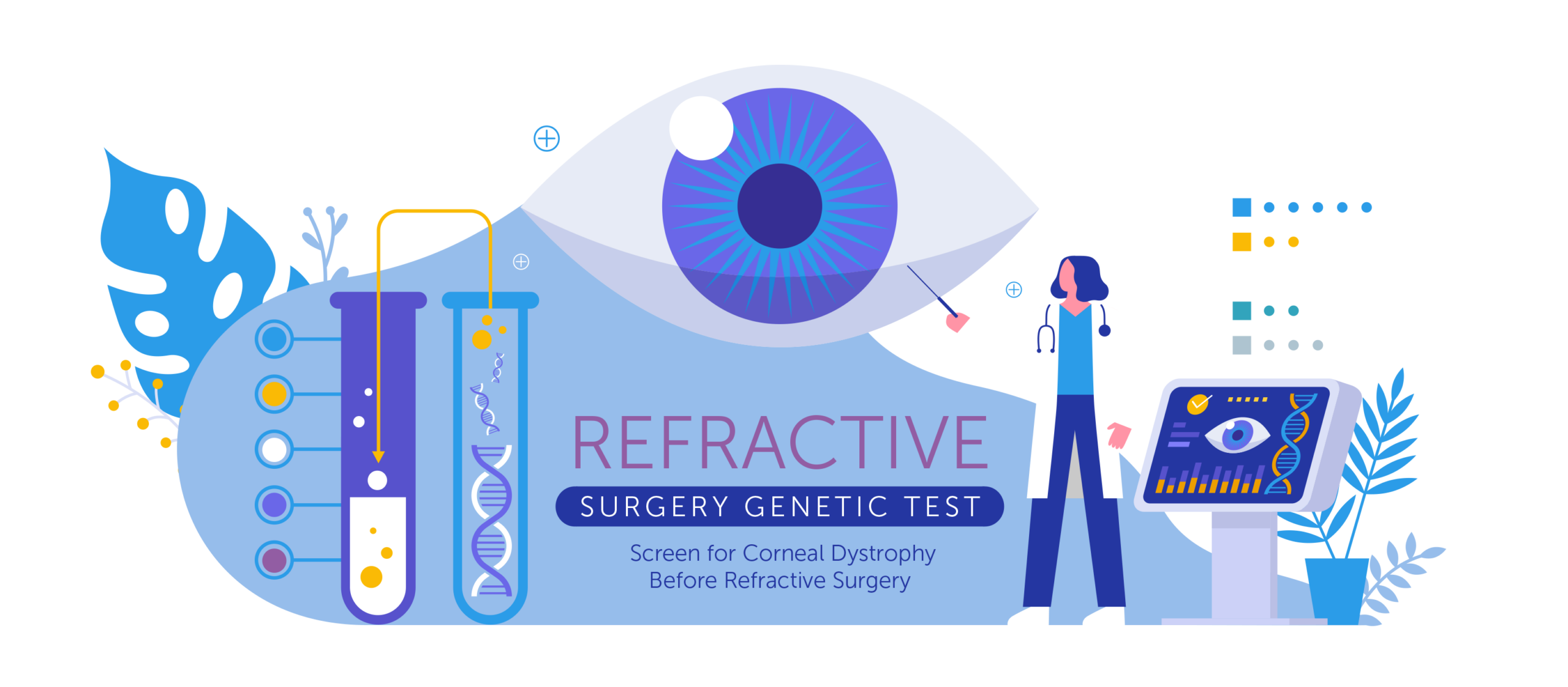
A groundbreaking genetic testing solution is designed to enhance the safety of refractive surgeries, this advanced diagnostic tool is particularly relevant for patients considering SMILE, LASIK, or LASEK procedures. By incorporating in-depth genetic analysis, we add a new dimension to your ophthalmic examinations, empowering you to achieve the highest standards in safer refractive surgery.

Precision Genetic Testing:

A Powerful Complement to Routine
Ophthalmic Examinations

Traditional ophthalmic equipment-based examinations have inherent limitations in detecting genetic mutations associated with corneal dystrophies. These limitations can lead to overlooked potential risks, impacting the safety profile of refractive surgery. Our genetic testing service effectively addresses these shortcomings, providing a more comprehensive diagnostic insight.

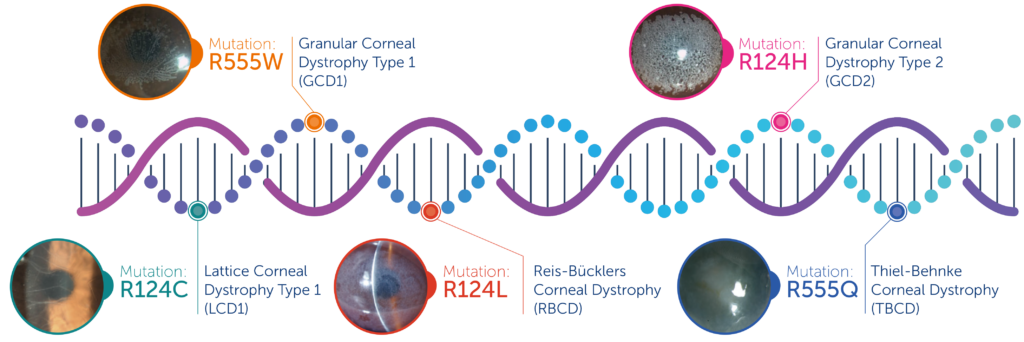
Screens for all 5 common TGFBI gene mutations in a single test, including GCD1, GCD2, LCD1, Reis-Bucklers, and Thiel-Behnke corneal dystrophies, which covering the majority of corneal dystrophy cases.

Genetic
Screening

Prevent potential complications from refractive surgery and safeguard long-term ocular health.

Why perform the

Avellino Refractive Surgery Genetic Test?

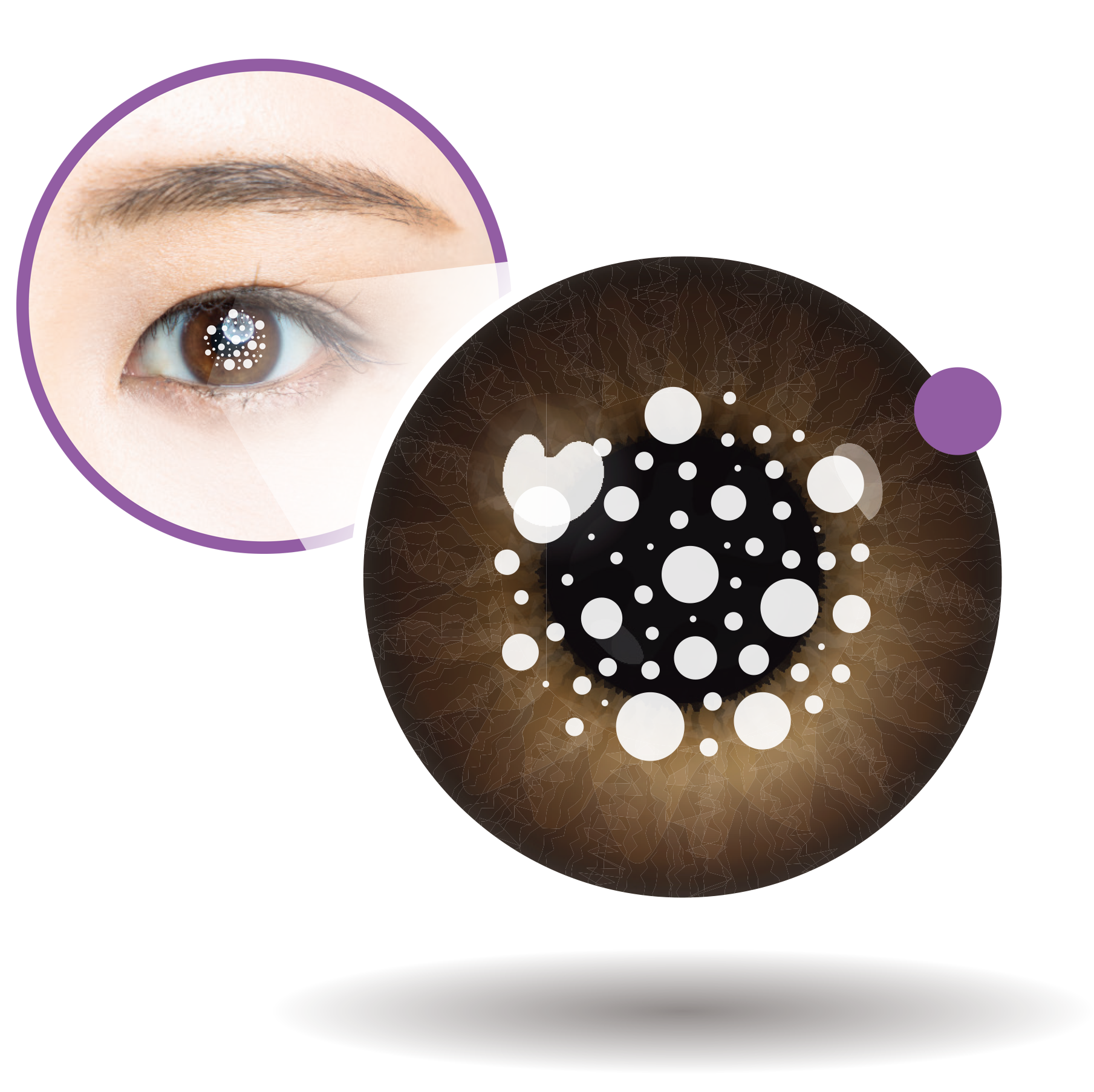
Cornea with Corneal Dystrophy

Asymptomatic before surgery

No signs before surgery: Genetic testing can detect potential corneal dystrophy risks early, even if preoperative examinations do not reveal any abnormalities. Many researches have proven that refractive surgery can accelerate the progression of the diseases.

No Permanent Treatment

Even after corneal transplantation, corneal dystrophy can recur 1.
1 Chen M, Xie L. Features of recurrence after excimer laser phototherapeutic keratectomy for anterior corneal pathologies in North China. Ophthalmology, 2013, 120.6: 1179-1185.

Why choose

Avellino Refractive Surgery Genetic Test

Testing Five Types of common TGFBI Mutations (R555W, R124H, R124C, R124L, R555Q) at once, covering the majority of corneal dystrophy cases.
High sensitivity and specificity of the type/presence of corneal dystrophy
Widely adopted in ophthalmology centers and hospitals in South Korea and Japan
3 working day results

We have completed more than

one million genetic tests.

Over 2,100

carriers of corneal dystrophy genetic mutations

have been successfully identified, protecting them from potential serious vision damage. #

# Avellino Lab Test Results from Korea (as of October 31, 2024)

Simple Steps

Simple Steps to Complete the Test